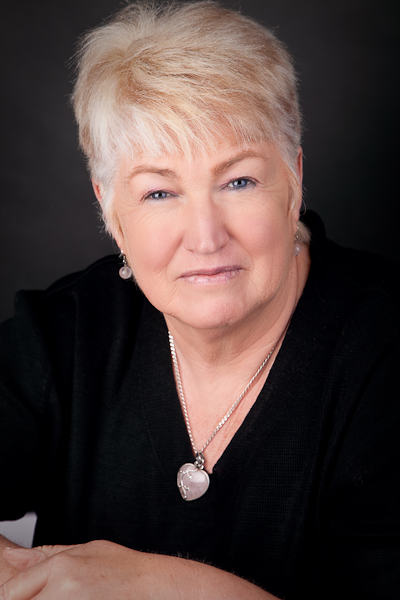
Robert J. Echenberg, MD
I don’t think I need to write an introduction for Dr Echenberg or Bridge for Pelvic Pain. The only explanation I feel I need to give is that I was drawn (pardon [...]
(excerpt from www.pudendalassociation.org) Who We Are The Pudendal Neuralgia Association, Inc. was established in 2013 as a non-profit organization in the state of Massachussetts. We provide educational services to pudendal neuralgia patients [...]
I met Rosemary McKenzie-Ferguson advocating an online forum for injured workers. She spoke in a way I'd never heard before, she spoke to me about support, empathy and trust, the ways an [...]
This is truly a thrilling post for me to finally be writing. I used to practise yoga 4 mornings a week for at least 45 minutes pre injury. After my warm up poses, my spine unravelling was eight minutes in shoulder stand, followed by another eight minutes in plough pose before Savasana (rest). So you can imagine how many times I've tried to get back to my yoga since knowing the benefits. i was always unsuccessful until I came across Dustienne's Your Pace Yoga dvd. I still can't work out what's different, of course I've made progress but that can't be the answer as it wasn't so long ago I attempted cat/cow pose only to begin flaring. I'd say Dustienne's sequence and breathing is definitely focused on opening, lengthening and creating space in the pelvis, it just feels great and I'm happy to report I've managed it once a week for over a month now. I know that's not huge, but I'm blowing my trumpets that I could sustain one of the routines. I hope to get to both but my struggle lying on my back may prevent me.
This is a brilliant website! Have you ever been in so much pain you found it too hard to speak? Dumb question, of course you have, you're on a PN website. Well [...]
(excerpt from ...chronicpainaustralia.org.au) Australia's THIRD National Pain Week. People in pain a national health priority! This year we are also building on the petition started last year. Pharmacies and Libraries will have [...]
Before I get into PN versus PNE, I want to first give you a brief explanation of the physiology of the pudendal nerve and the diagnosis of PN. The pudendal nerve is a large nerve that arises from the S2, S3, and S4 nerve roots in the sacrum, and divides into three branches—the inferior rectal nerve, the perineal branch, and the dorsal clitoral/penile branch. The nerve travels a tortuous course through the pelvis to innervate: • the majority of the pelvic floor muscles, • the perineum, • the perianal area, • the distal third of the urethra • part of the anal canal • the skin of the vulva, the clitoris, portions of the labia in women, • and the penis and scrotum in men. The pudendal nerve travels a torturous course through the pelvis. Patients with PN can have tingling, stabbing, and/or shooting pain anywhere in the territory of the nerve. Symptoms include vulvar or penile pain, perineal pain, anal pain, clitoral pain, and pain at the ischial tuberosities as well as pain with bowel movements, urination, and orgasm.

I've been contacted by a few males who feel their symptoms are similar to the ones I share on my website. There is help, for males with pudendal neuralgia in Australia:
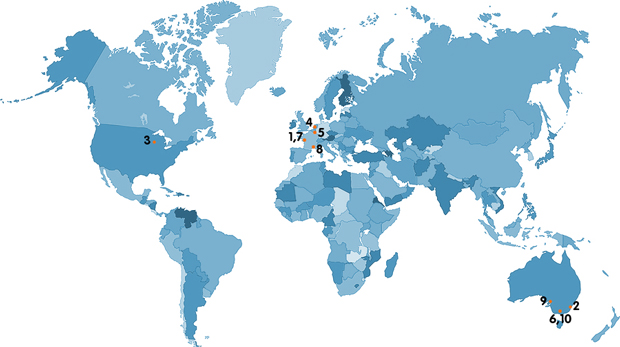
I can't adequately define the moment I was diagnosed, it's just too difficult to explain the 4.5 year scattered hunt that ended with a few seconds and just two words! Empathy and understanding however, are two words that do explain what I felt when seeking approval to use the research and names of the Pudendal Neuralgia Masters (as I like to call these specialists). Honestly, if words, thoughts and care from complete strangers could heal me I would have been healed twice over by now. These Masters really touched my heart (unfortunately not my stubborn pudendal nerve, but all in good time!). I wanted to share these comments, especially for anyone suffering with Pudendal Neuralgia as I feel its important that we all know who these incredible human beings are and that they are endlessly working towards our cure and international awareness every day. The other important thing is to know where they are.
We are dedicated to reducing the social and other barriers to living with chronic pain.We are a group of people who are tired of the way things are for people in pain. You may be feeling quite isolated and 'over it' and feel that no one really understands your experience. You might even feel that people don't believe you. Many people tell us about these experiences. Don't despair, you aren't crazy! And you aren't on your own either. Over the years many volunteers have strengthened us so that we can work towards greater community understanding about chronic pain...